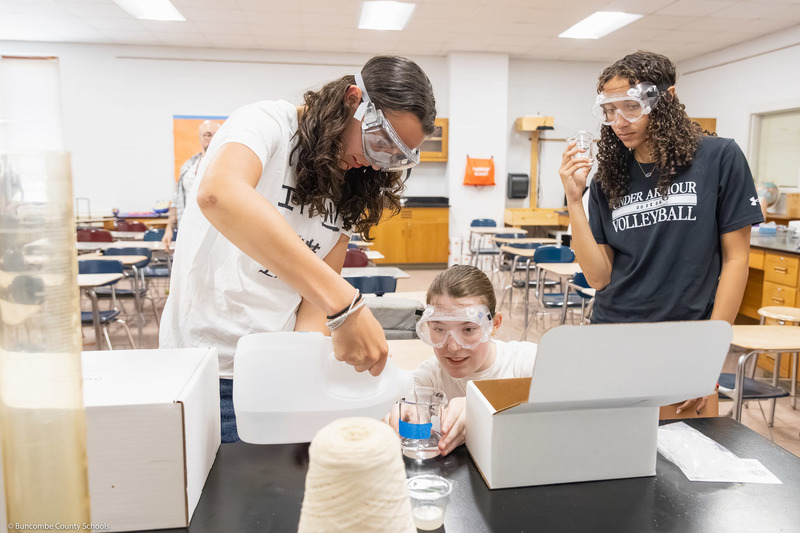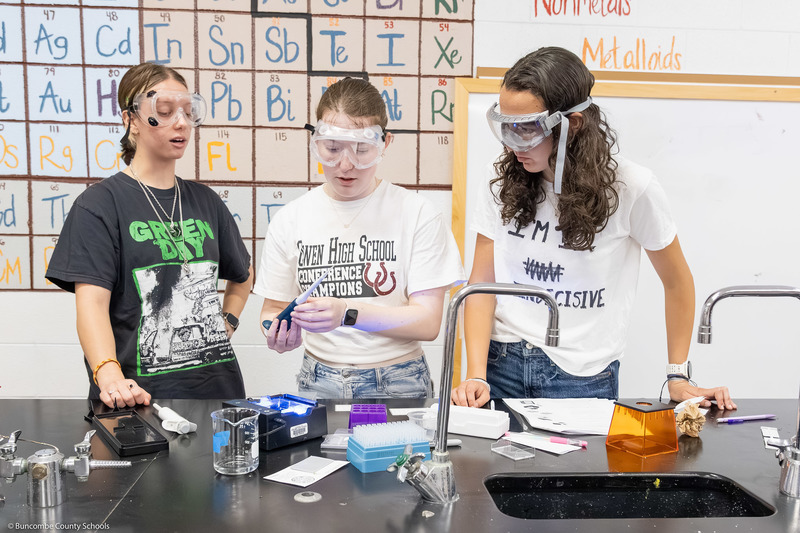
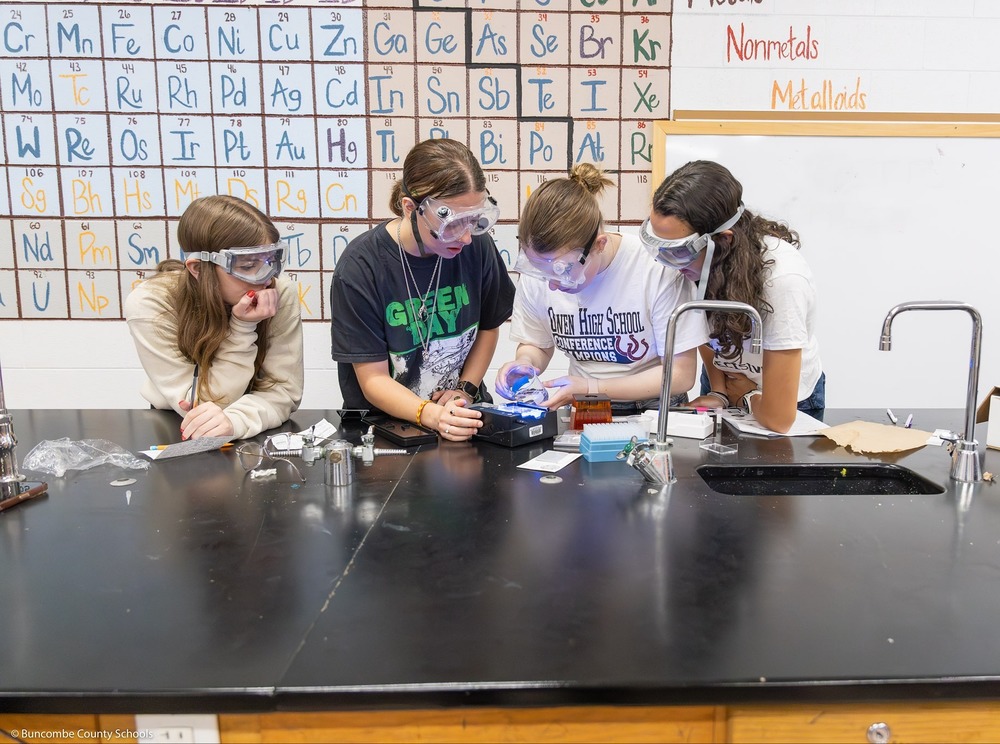
🧬🔬⚡ Charles D. Owen High School students recently stepped into the world of modern science, using real biotechnology tools to analyze DNA and explore the ethical questions that come with it.
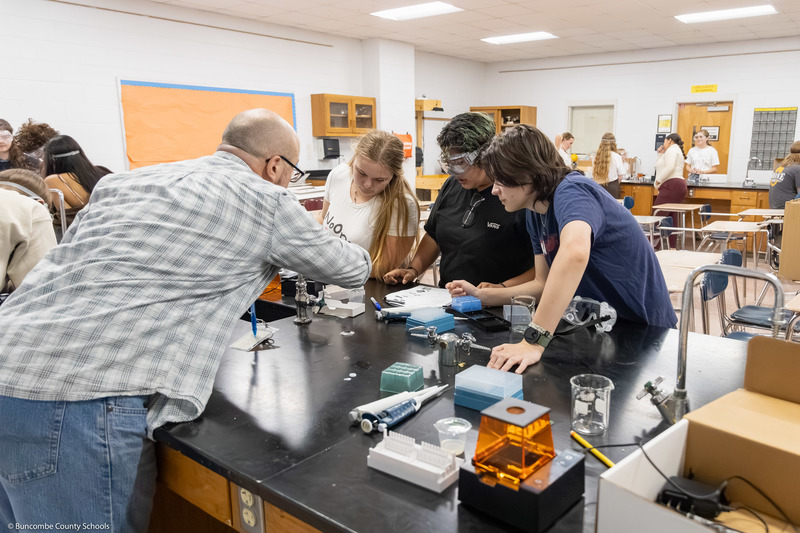
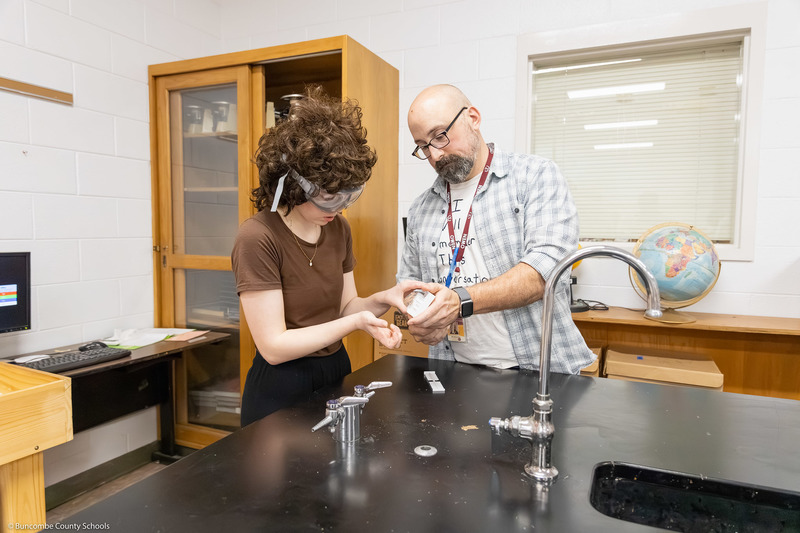
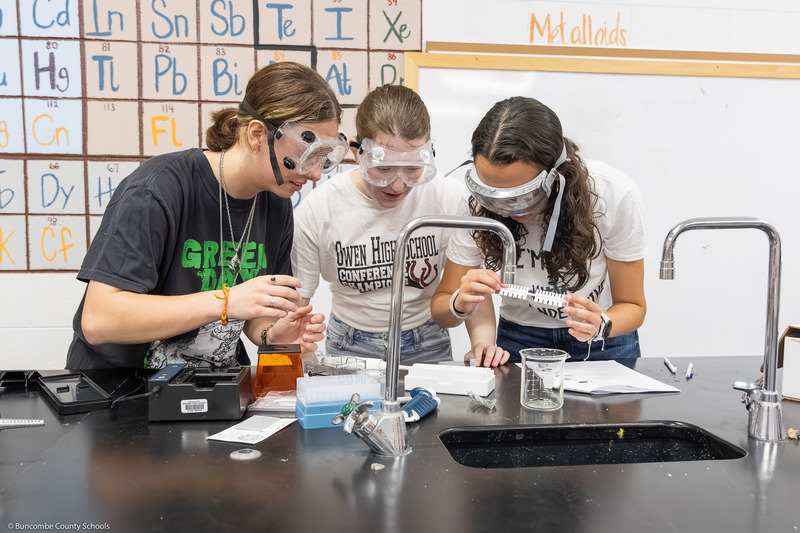
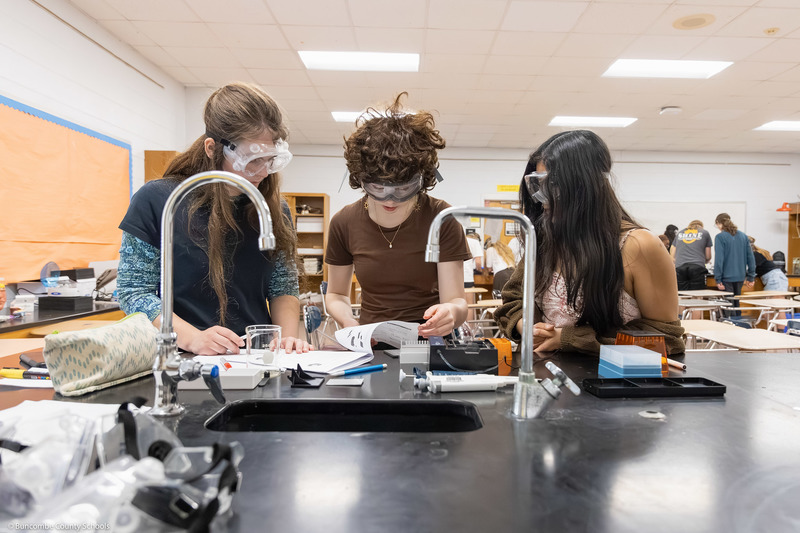
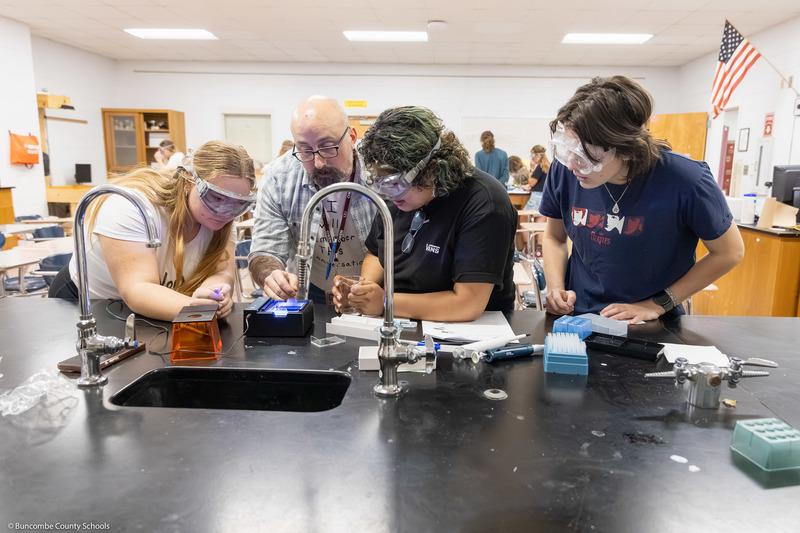
As part of a unit on gene expression, Ryan Smith’s Advanced Placement Biology class conducted a hands-on lab using gel electrophoresis to simulate genetic testing for Huntington’s disease. By comparing DNA samples from parents and their children, students determined which individuals may carry the genetic marker for the condition.
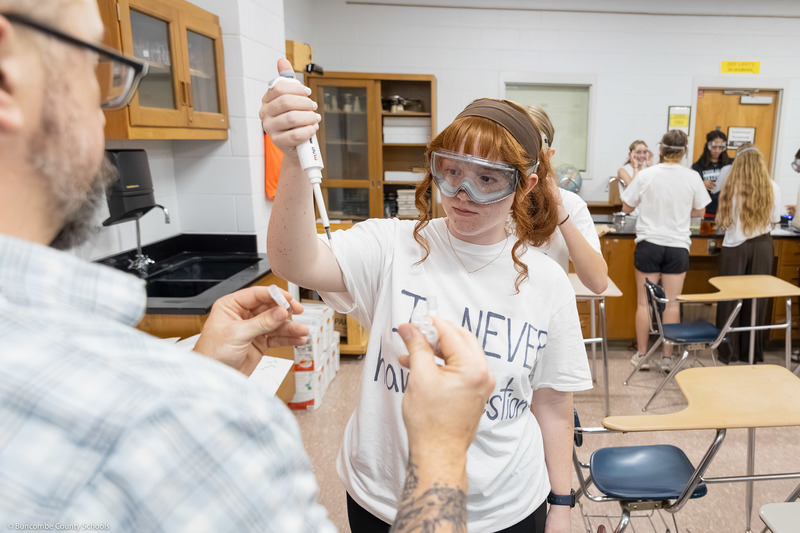
“This is 100% college-ready work,” Smith said. “The equipment and techniques they’re using are the same ones they’ll encounter in college biology labs. They won’t be walking in unfamiliar. They’ll already know how to use it.”
The lab went beyond technical skills. Students explored the real-world implications of genetic testing, including the ethical considerations of screening for inherited diseases.
“Science isn’t black and white,” Smith said. “There are gray areas, especially when it comes to genetics. These students are part of the future decision-making process, so it’s important they understand both the science and the ethics behind it.”
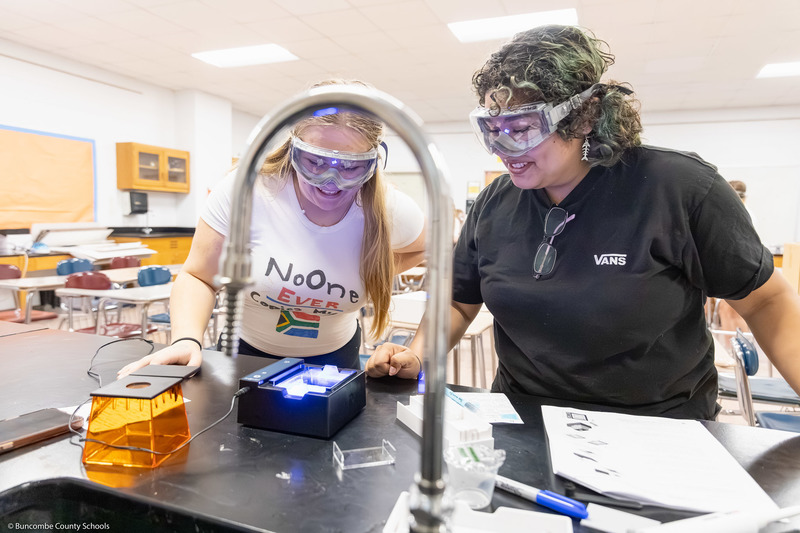
Using specialized equipment, students ran DNA samples through a gel medium and applied an electric current to separate fragments by size. The resulting patterns, visible under UV light, allowed them to identify genetic similarities and make informed conclusions about inherited traits.
Immersive experiences like this help students connect classroom learning to real-world applications, from medical testing to future careers in science, while building critical thinking skills that extend far beyond the lab.