The science lab at Community High School has never felt more like an amusement park.
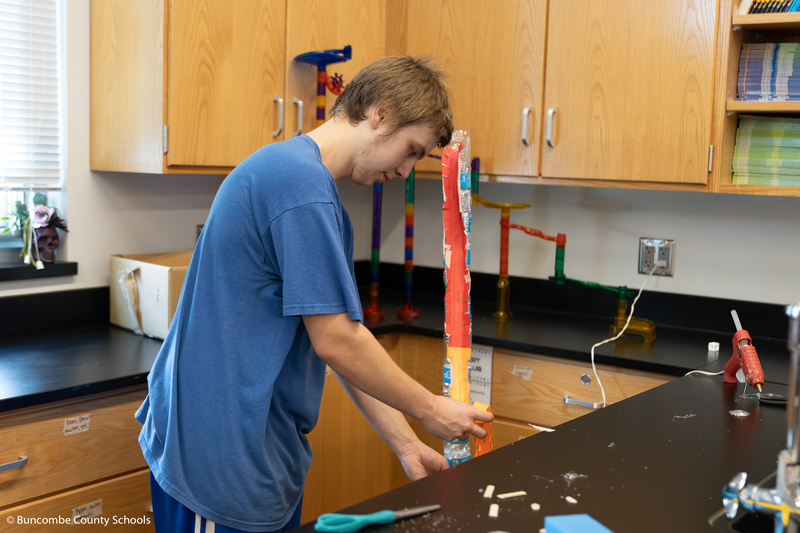
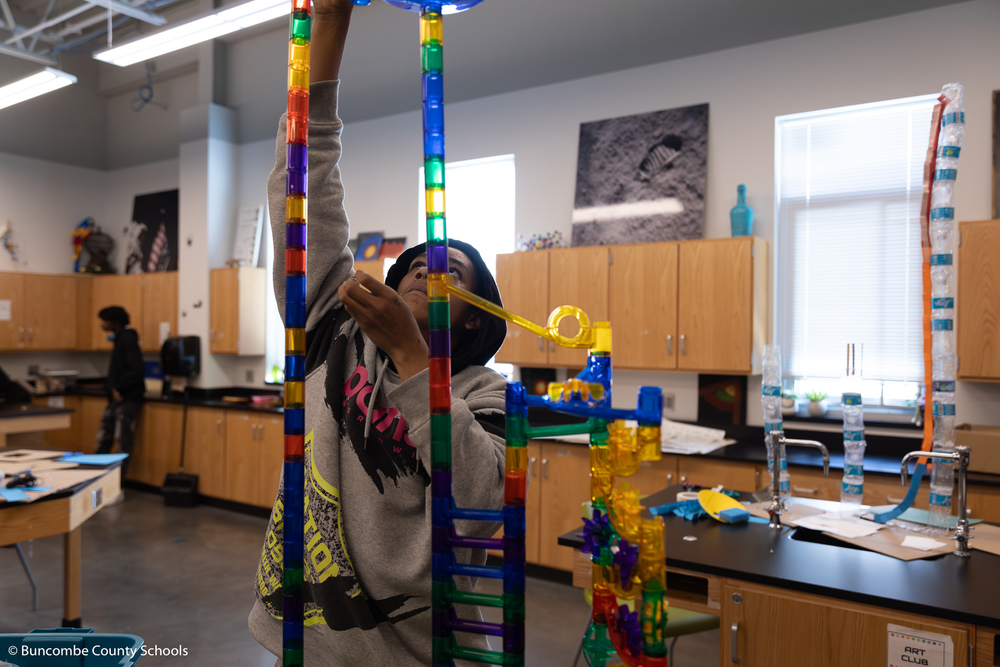
In Laney Bryant’s classroom, students rolled up their sleeves - literally - and transformed piles of recycled materials into fully functioning miniature rollercoasters. Cardboard tubes, plastic bottles, scrap paper, and tape scattered across the tables became the building blocks for an engineering challenge that demanded creativity, problem-solving, and a little bit of gravity-defying imagination.
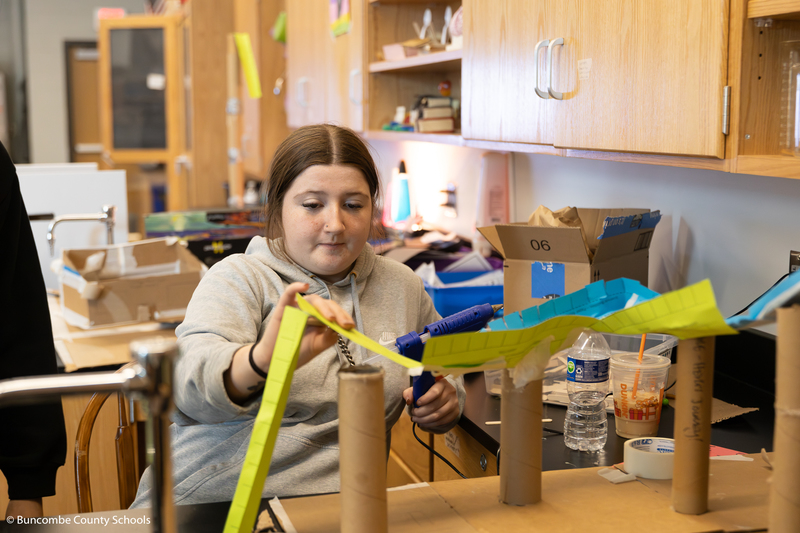
Each group was required to design a coaster that included three essential elements: a drop to build speed, a smooth turn to change direction, and a daring loop that put their physics knowledge to the test. Once construction wrapped, the moment of truth arrived. Students released a small ball at the top of their coaster and held their breath - hoping it would stay on the track through every twist and turn. The trial-and-error process became just as exciting as the final success.

Students say they love Ms. Bryant’s class because of opportunities exactly like this one.
“We get to actually build things,” one student shared. “It makes science fun when you can see how it works instead of just reading about it.”
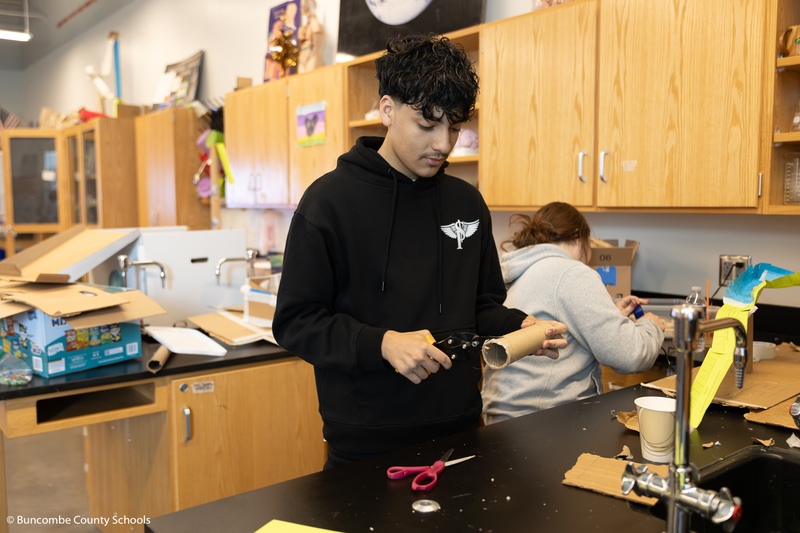
For Ms. Bryant, hands-on learning isn’t just a strategy - it’s the heart of her classroom. And as her students watched their rollercoasters twist, dip, and loop, with impressive success, it was clear they weren’t just learning physics. They were experiencing it.